A playtest destroyed 8 months of work. Thank you.❤️
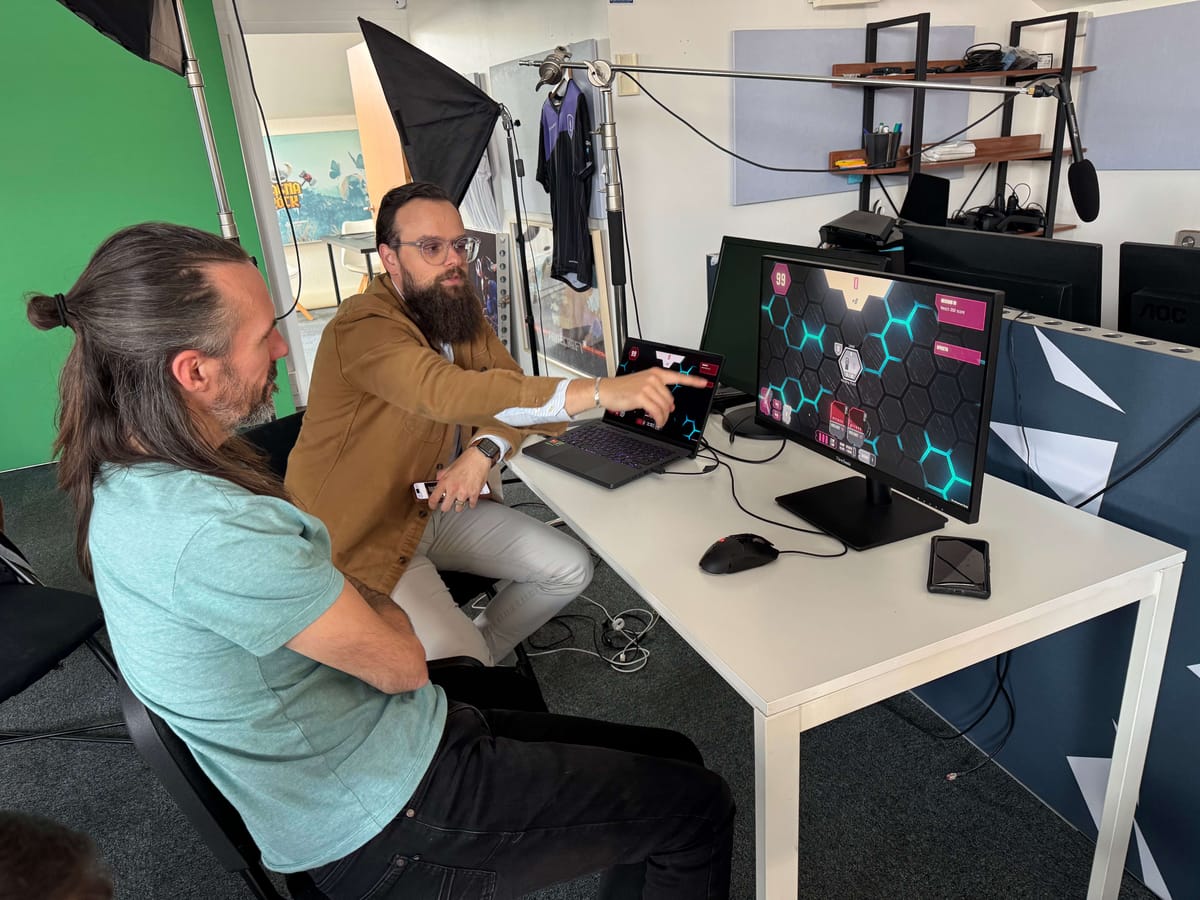
This story doesn't start with a game. It starts with a decision. The decision to leave a stable, technical, IT-focused career to jump into an industry we'd been dreaming about for years: video games. It wasn't an easy choice, but it was the only way to align our creative ambitions with our day job.
That's when our paths crossed. Same technical background, same urge to drop everything, same crazy dream. We teamed up, founded Parallel Minds, and started working on our first ambitious project: a game blending music and card mechanics, which we called Symphony of Cards.
This idea opened new doors, including one to the Game Only incubator in Lyon. Getting selected was a turning point: we learned so much about the industry, game design, production. Basically, everything that makes a real game studio. The incubation also forced us to face our limits.
The trap we fell into
Reality caught up with us. And honestly, we kind of asked for it. Our mistake? We waited way too long to get our prototype tested. Why? Fear. Fear of being judged. Fear that it wasn't "pretty enough" to be shown. So we waited. We polished. We hired an illustrator, built VFX, added more shine...
But in doing so, we forgot what actually matters: the gameplay. The fun.
And yet, the warning signs were there. We changed the mechanics. Then changed them again. And again. Deep down, we already knew something was off. But you always find good excuses, right? "We just need more cards." "Once we add this power, it'll click." "When the visuals are in, people will get it."
Spoiler: they didn't.
The wake-up call
After 8 months of intense work, we finally showed Symphony of Cards to real players.
And they weren't having fun.
No smiles. No excitement. Just polite stares and awkward silence. That playtest was a slap in the face. A cold shower. A full-on reality check.
The truth? We didn't have a solid core gameplay. We had polish on top of nothing.
At some point, you have to move on. We kept digging for ideas to save the project, but we were exhausted. We were digging our own grave. So we made the decision every developer dreads: kill the project.
It was hard. Really hard. But necessary.
The lesson (and it's simple)
Playtest early. Playtest fast.
Who cares if it's ugly. Who cares if it's placeholder, graybox, cardboard prototype. If players have fun with something ugly, you've got something. If players are bored with something beautiful... you've got nothing.
Mechanics first. Always.
And that's how Cascade was born
Ironically, that void, the death of Symphony of Cards, freed something. Mental space. New ideas, clearer and more exciting.
But this time, we weren't going to make the same mistake.
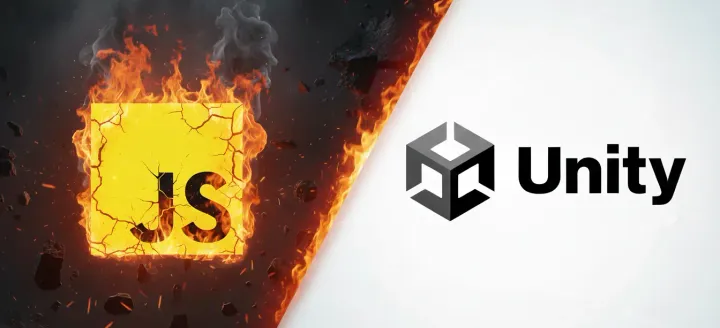
Cascade is our new project: a strategic roguelite deckbuilder. It started on paper. Then became a playable prototype. In 3 weeks. Not on Unity. Not on Unreal. On web tech. Yeah, web. Because we had no time to waste and any shortcut was fair game.
Vibe coding to speed things up? Sure. Unoptimized code? Don't care. Bugs? Same. It's all getting thrown out when we migrate to Unity anyway.
Because what we're validating is the mechanic. Not the code.
And this time, playtests told a different story. People smiled. They replayed. They asked questions. They wanted to know when it was coming out.
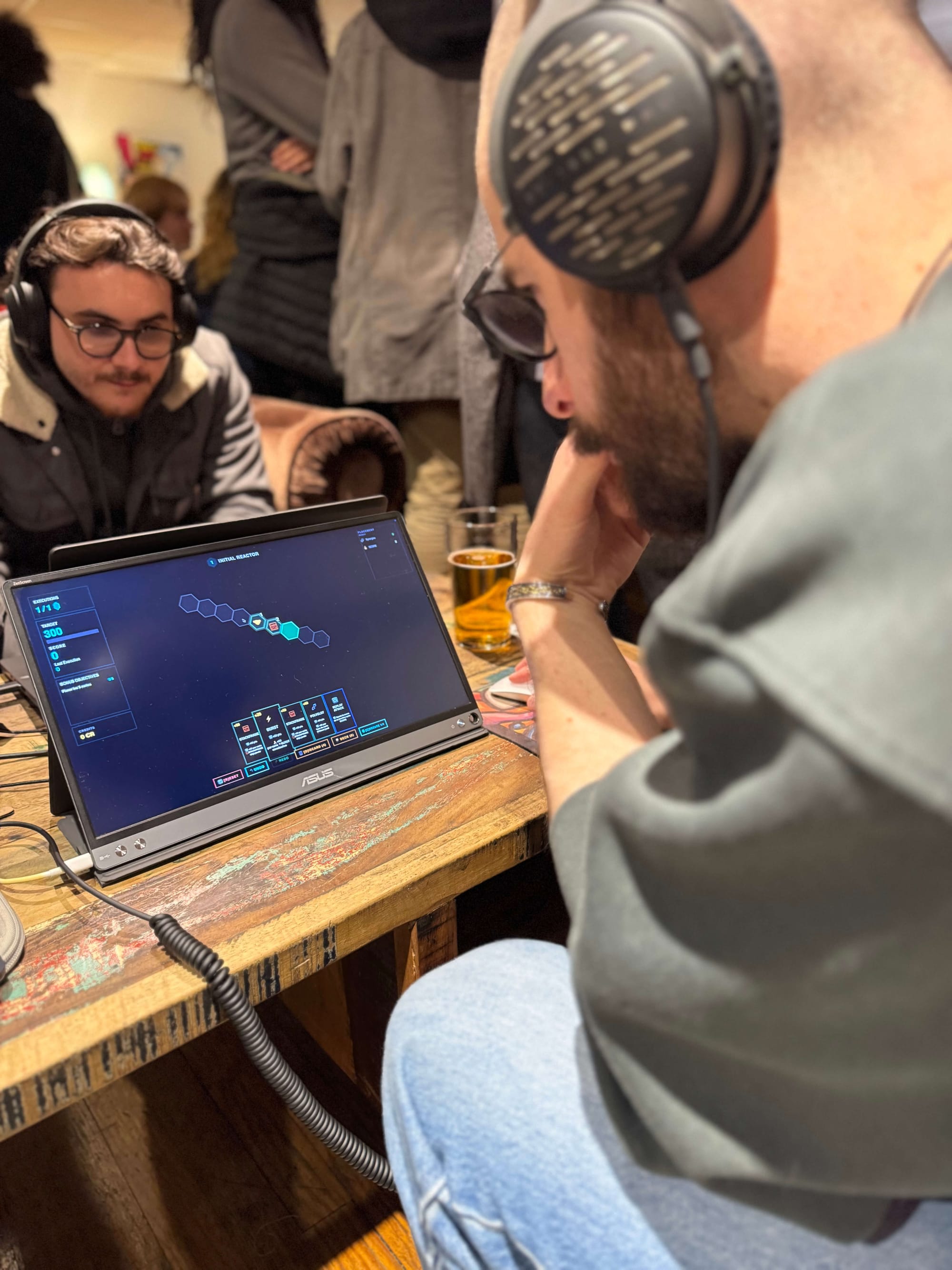
Want to see for yourself?
The web prototype of Cascade is playable now. It's raw, unoptimized, probably buggy. But the mechanic is there. And we want your feedback.

Cascade wouldn't exist without Symphony of Cards. And Symphony of Cards wouldn't have existed without that urge for change that started everything.
This devlog is the story of that journey, sometimes chaotic, often rewarding, that led us to finally build a game we're proud of.
We'll tell you the rest. No filter.
Big thanks to Guillaume from From the French, our fellow incubee at Game Only, Julien Saliot and Thibault who lent us their images for this article. Go check out their projects!

Comments ()